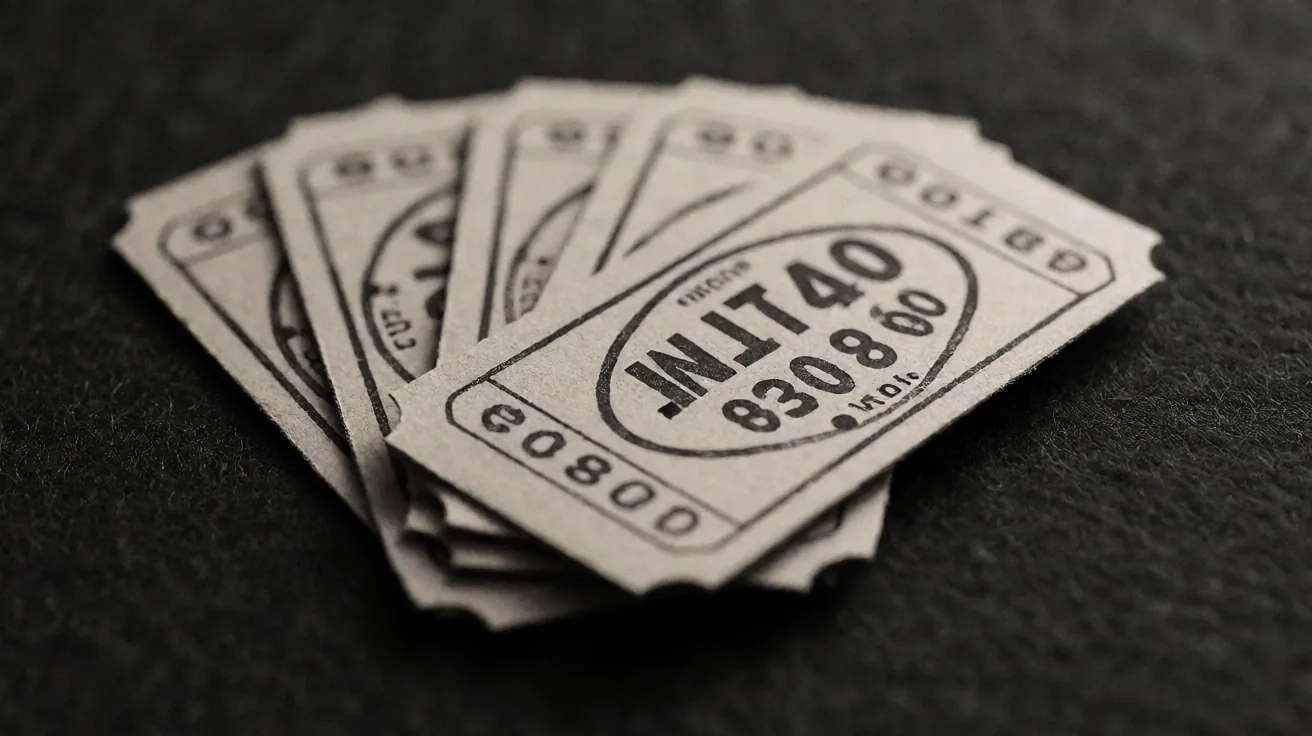
The Kentucky Derby offers six core wager types, and understanding each one is the first step toward using a Kentucky Derby bet calculator effectively. Below I break down exactly how each bet works, what it costs, and when it makes sense to use it.
What Are the Basic Kentucky Derby Bet Types?
The three straight bets — win, place, and show — are the simplest. A win bet pays only if your horse finishes first. A place bet pays if your horse finishes first or second. A show bet pays if your horse finishes in the top three. The standard base unit at Churchill Downs is $2, meaning tote board prices are quoted per $2 wagered.
Straight bets carry lower takeout than exotic wagers — Churchill Downs' takeout rates run roughly 15%–25% depending on bet type, per rates set with approval from the Kentucky Horse Racing Commission. That lower takeout makes win/place/show the friendliest bets for casual bettors who are still learning how pari-mutuel payouts are calculated for the Kentucky Derby.
How Do Exotic Kentucky Derby Bets Work?
Exotic bets require you to correctly predict the finishing order of multiple horses. They pay more, but they're harder to hit.
- Exacta — pick the first and second finishers in exact order.
- Trifecta — pick the first, second, and third finishers in exact order.
- Superfecta — pick the first four finishers in exact order.
With 20 horses in the Derby field, the superfecta pool can reach five or six figures. That potential is why so many bettors hunt for the right combination well before post time.
What Is a Box Bet and How Does It Change the Cost?
A box lets your selections finish in any order, which increases your chances but also multiplies your cost. A two-horse exacta box covers both possible orderings, so it costs $4 at the $2 base unit. A three-horse exacta box covers six combinations, costing $12. For a detailed cost chart, see the Kentucky Derby exacta box cost chart and payout formula.
Trifecta boxes scale up quickly: a three-horse trifecta box has six combinations ($12 at $2 each), while a four-horse box jumps to 24 combinations ($48). I run through the math every Derby season using the trifecta bet calculator before committing to a ticket.
Superfecta boxes are where costs can get steep fast. A five-horse superfecta box has 120 combinations; at a $0.10 base that's $12.00, which is how most bettors keep it affordable. The full breakdown lives on the Kentucky Derby superfecta box combinations, costs, and payouts page.
Does the Morning Line Tell Me What My Payout Will Be?
No — and this trips up a lot of first-time Derby bettors. The morning line is the track handicapper's estimated opening odds, not a guarantee of your payout. Actual payouts depend entirely on the final pool divided among winning tickets after takeout. A horse listed at 10-1 on the morning line might pay out at 6-1 if the public bets that horse heavily. I dig into this gap on the morning line vs. tote odds page.
Where Can I Actually Place These Bets?
Licensed ADW (Advance Deposit Wagering) platforms — including TwinSpires, TVG (FanDuel Racing), NYRA Bets, and Xpressbet — let you bet every wager type above from your phone or browser, subject to state availability. The Kentucky Derby betting apps comparison covers which platform fits which bettor. Online ADW is legal in most but not all US states; check which states can legally bet the Kentucky Derby online before you sign up.
Must be 18+ in most states (21+ where required by state law). If gambling becomes a problem, the National Council on Problem Gambling offers 24/7 support at 1-800-522-4700.
Once you know which bet type fits your style and budget, plug your selections into the interactive box bet cost tool to see exactly what each ticket will run you before you commit a dollar.
See also: Kentucky Derby Place and Show Bet Payouts Explained.
See also: Kentucky Derby Win Bet Payout Formula: How Your Return Is Calculated.